
Building Real-Life Confidence in the Group Room
Recovery is not just about staying away from drugs or alcohol. It is about learning how to live daily life in a new way. That means handling social events, family talks, schedule changes, and stress without going back to old habits.
Spring and early summer can bring a lot of these pressures at once. There may be weddings, holidays, trips, kids out of school, and long weekends. For women in early recovery, this can feel like too much. A women-only group offers a softer landing, a place to test out new skills before using them in the outside world.
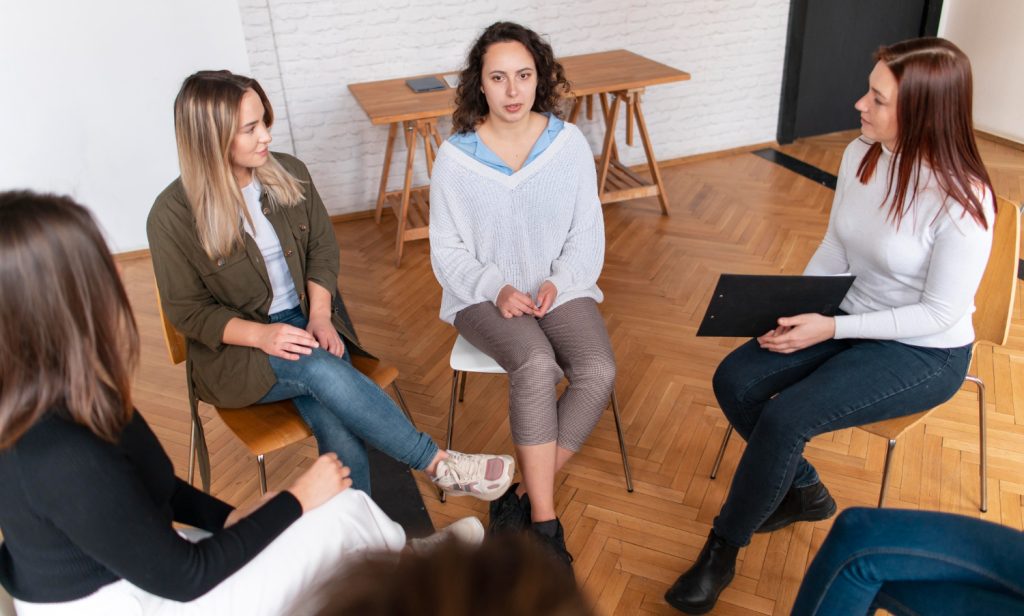
In our groups, women get to practice real conversations, healthy boundaries, and calm decision-making. Thoughtful group therapy activities turn the room into a safe practice field. Again and again, women rehearse skills like clear communication, self-advocacy, and coping tools so they feel more prepared when life gets loud.
At Honeycomb Wellness Center, we weave these kinds of group experiences into our holistic, evidence-based PHP, IOP, and outpatient care for women in Marin County and the greater Bay Area. The goal is simple: help women feel ready for real life, not just for the group room.
Role-Play Scenarios That Mirror Everyday Moments
Role-play can sound awkward at first, but it often becomes one of the most helpful group therapy activities. In a women-only space, it can feel safer to try on new words and actions without fear of judgment.
Common role-play scenes might include:
- Saying no to a drink at a spring wedding
- Telling a partner you need support for your recovery plan
- Answering a text from an old friend you used with who wants to meet up
- Leaving a party early when you feel triggered
Therapists help set the scene and guide the pace. Group members take turns playing different parts, such as:
- The woman protecting her recovery
- The friend or family member who does not fully get it
- The person who pushes boundaries or ignores the word no
Switching roles builds empathy. When women step into the role of the person applying pressure, they often see their own triggers and emotional reactions in a new light. When they speak as themselves, they get to practice:
- Assertive communication
- Saying no without guilt or long explanations
- Using clear I-statements to share feelings and needs
- Staying grounded in recovery values even when others are upset
Every time someone tries a new way to respond, the group can pause, reflect, and practice again. Over time, women start to notice they can handle the same kinds of moments outside the group with more calm and confidence.
Communication Circles That Build Trust and Voice
Communication circles are another simple but powerful group activity. The group sits in a circle, and each person gets time to share on a focused prompt. Prompts might be:
- What I am afraid to say out loud
- One boundary I am practicing this season
- How I really feel about social events right now
- A need I have been ignoring
While one person shares, the rest of the group practices active listening. That means no interrupting, no fixing, and no rushing in with advice. Instead, women learn to:
- Make eye contact or look at the speaker in a way that feels safe
- Notice their own reactions without jumping in
- Offer support that sounds like, “Thank you for sharing,” or “I relate to that.”
After sharing, there may be time for gentle feedback. The focus stays on respect and empowerment, not shame.
These circles help women:
- Use their voice, even when it shakes a little
- Practice naming needs and limits out loud
- Tolerate the feeling of being seen and heard
These skills carry into daily life. Speaking up in a work meeting, talking with a co-parent, or setting limits with family around holidays or long summer visits all become more possible when you have already practiced in a circle of women who get it.
Problem-Solving Labs for Real-Life Recovery Plans
Sometimes the hardest part of recovery is not knowing what to do next in a messy situation. Problem-solving labs are group sessions where women bring real-life dilemmas into the room, and everyone helps think through them.
Common topics include:
- Staying sober while traveling
- Handling Mother’s Day or Father’s Day grief and triggers
- Balancing childcare or caregiving with treatment
- Making decisions about social media, dating, or nightlife
Together, the group walks through a clear set of steps:
1. Define the problem in simple words.
2. List possible options, even the ones that seem unlikely.
3. Look at pros and cons for each option.
4. Choose a plan that feels realistic, not perfect.
5. Break that plan into small, concrete steps.
Women often discover they are not as stuck as they felt. This process helps:
- Build confidence in decision-making
- Reduce black-and-white thinking, like I have to say yes to everything or I am a bad friend
- Show that others face similar challenges and nobody has it all figured out
When women leave group with a specific action plan, they are more prepared to handle the next hard situation without turning back to substances.
Mind-Body Practices That Support Daily Coping
Recovery lives in the body as much as in the mind. Group mind-body activities help women notice what is happening inside and calm their nervous system together.
These practices might include:
- Guided meditation focused on breathing or body awareness
- Simple breathwork you can use at a stoplight or in a waiting room
- Gentle stretching you can do in regular clothes
- Grounding exercises that use the senses to come back to the present moment
Therapists connect these tools to real-life situations, such as:
- Using slow, steady breathing before a custody meeting or court date
- Doing a quick grounding exercise during a stressful commute
- Trying a short body scan when cravings spike at a barbecue or family gathering
Practicing as a group makes it easier to use these tools later. Women can share what felt helpful or uncomfortable and cheer each other on as they try these skills at home. Over time, small wins add up into a stronger sense of self-trust.
Creative Expression Groups That Unlock New Coping Tools
Not everything can be said with plain words. Creative group therapy activities give women other ways to express emotions, hopes, and fears.
These groups might include:
- Art collages that show future goals or a safe place
- Journaling circles focused on self-compassion or letting go
- Music-based sharing, like bringing a song that matches your mood
- Simple drawing or coloring while talking about tough topics
Creativity can slip under shame and self-criticism. When hands are busy and the focus is on color, sound, or images, it often feels easier to touch grief, trauma, or anger linked to substance use. Women discover new ways to:
- Soothe themselves without numbing out
- Reflect on where they have been and where they want to go
- Celebrate progress, even when it feels small
These activities can also help women plan for seasonal shifts. A spring reset vision board can support new habits, while a coping playlist might be helpful for long, unstructured summer days when routines change and cravings or loneliness show up.
Putting New Skills to Work with Support
One helpful question for anyone in early recovery is: Where do I feel the least confident in real life? For some women, it is social events with alcohol. For others it is parenting stress, dating, or setting limits with family.
Group therapy activities give space to practice these hard moments before they happen, instead of trying to figure it out in the middle of a crisis. In a women-only setting, it is often easier to tell the truth, try again, and keep going.
At Honeycomb Wellness Center, our PHP, IOP, and outpatient programs for women are built around this idea of real-life readiness. In our Marin County setting, we bring together structure, compassion, and practical skills so women can move through each season of life with more strength, clarity, and hope.
Take The Next Step Toward Supportive Healing Together
At Honeycomb Wellness Center, we create safe, collaborative spaces where women can heal and grow alongside others who truly understand their journey. If you are ready to explore how our structured group therapy activities can support your recovery, we are here to help you get started. Reach out today to ask questions, discuss your needs, or schedule an appointment through our contact us page.