
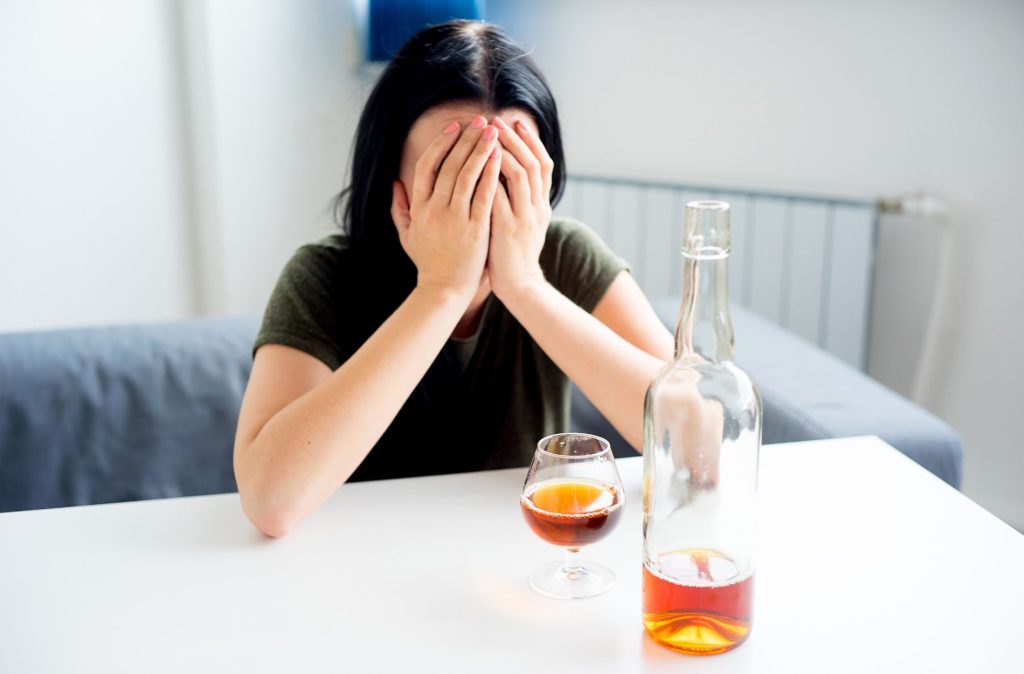
Addiction is a challenging battle for anyone, but when it comes to women, the journey can be uniquely intricate. Women face specific hurdles that can impact their recovery process, from hormonal changes to societal pressures. These factors can significantly shape the path of recovery and are crucial to address for anyone looking to support women in their journey towards wellness. Unlike their male counterparts, women often encounter different triggers and patterns in addiction and relapse. Understanding these nuances is important to effectively support women as they seek a healthier, sober life.
Women experience relapse differently, with various emotional and psychological factors at play. These differences aren’t just about biology but also involve social and cultural elements that make their experiences distinct. By highlighting these unique aspects, we can better grasp the importance of tailored approaches to recovery. Recognizing what women need in terms of support and intervention can help break the cycle and pave the way for more successful outcomes.
Understanding Why Women Relapse Differently
Relapse triggers for women often differ due to unique life experiences. Common scenarios include hormonal fluctuations, which can contribute to mood swings and increased vulnerability to stress. For some women, pregnancy and the responsibilities of motherhood bring added emotional and physical stress, potentially leading to feelings of being overwhelmed, which might increase the risk of relapse.
Here are some key relapse triggers specific to women:
– Hormonal Changes: Menstrual cycles, menopause, and other hormonal fluctuations can affect mood and behavior, potentially increasing relapse risks.
– Pregnancy and Motherhood: The stress, expectations, and physical changes during pregnancy and motherhood may contribute to relapse.
– Caregiving Roles: Many women bear caregiving responsibilities not just for children but for other family members, adding stress and little time for self-care.
Apart from these triggers, other emotional and psychological factors are often involved. Women are more likely to experience trauma and mental health issues, such as anxiety and depression, which can be both triggers and consequences of addiction. Relationship dynamics also play a critical role, as women tend to be more affected by intimate relationships, whether positive or negative. Such complex factors underscore the need for a comprehensive and sensitive approach to support women in their paths to recovery. By understanding these aspects, supporters, loved ones, and healthcare professionals can provide more effective, empathetic care tailored to the unique experiences of women.
Recognizing Signs of Relapse in Women
Catching the early signs of relapse can make all the difference in a woman’s recovery process. Awareness of these signs can prevent a temporary slip from escalating into a more serious setback. Behavioral changes such as withdrawing from friends and family or losing interest in activities they once enjoyed might be a clue that something’s amiss. Emotional signs, like sudden mood swings, irritability, or feelings of hopelessness, can also indicate a potential relapse.
Early recognition of these signs allows for timely intervention. Whether a friend, family member, or a supportive community is noticing these shifts, taking action can help redirect the path before things get out of hand. This kind of prevention requires attentive observation and an understanding that these clues might be signals for help rather than mere mood changes.
Having open and honest conversations about feelings and experiences can create a supportive environment for women to express themselves without judgment. This helps in addressing any underlying issues promptly and can be a major step in maintaining recovery.
Tailored Relapse Prevention Strategies for Women
Designing a relapse prevention plan that acknowledges the unique challenges women face offers better chances for lasting recovery. Personalizing these plans involves considering the specific triggers and stressors affecting a woman’s life. Incorporating stress management techniques like mindfulness and self-care can offer substantial support.
Simple strategies can include:
– Mindfulness Practices: Techniques such as deep breathing, meditation, or yoga can help women stay grounded and focused.
– Self-Care Routines: Encouraging activities that promote rest and relaxation like reading, hot baths, or even a hobby they enjoy.
– Support Groups: Joining a community of women facing similar challenges provides shared experiences and encouragement.
These strategies can empower women by making them feel more in control of their recovery journey. A personalized approach ensures that the particular needs of each woman are met, providing a strong foundation for moving forward.
Seeking Professional Alcohol Help
Getting professional help can be an important step in achieving long-term recovery. Professional programs often offer more structured environments where women can focus on healing without daily life distractions. They provide resources and therapies specifically designed to support women’s needs and challenges. Going through treatment with guidance from experienced professionals can offer reassurance and a clearer path to recovery.
Professional treatment options, such as various outpatient levels of care, allow women to receive the right amount of support while maintaining their everyday responsibilities. These programs often include counseling, group therapy, and personalized care plans, adapting to the different phases of recovery.
Moving Forward with Resilience and Support
Facing and overcoming addiction requires immense strength and determination. For women who embark on this path, surrounding themselves with a resilient support system can be empowering. By leaning on friends, family, and supportive communities, they create a safety net that catches them during challenging times.
Recovery is a gradual process, requiring patience and persistence. Celebrating small victories along the way builds motivation and hope. Long-term recovery is about establishing a lifestyle that supports well-being and joy. Embracing this journey with openness and trust in the process can lead to brighter, more fulfilling days ahead.
Every woman’s journey in addiction recovery is unique. By recognizing the different challenges women face, and supporting them with understanding and care, the path toward a healthier and happier life becomes clearer and more achievable.
As you navigate your path to recovery, remember that having the right support tailored to your needs can make a meaningful difference. At Honeycomb Wellness Center, we offer comprehensive programs designed with compassion and understanding. If you’re looking for personalized care and alcohol help, explore how our services can support your journey toward a balanced and fulfilling life.