
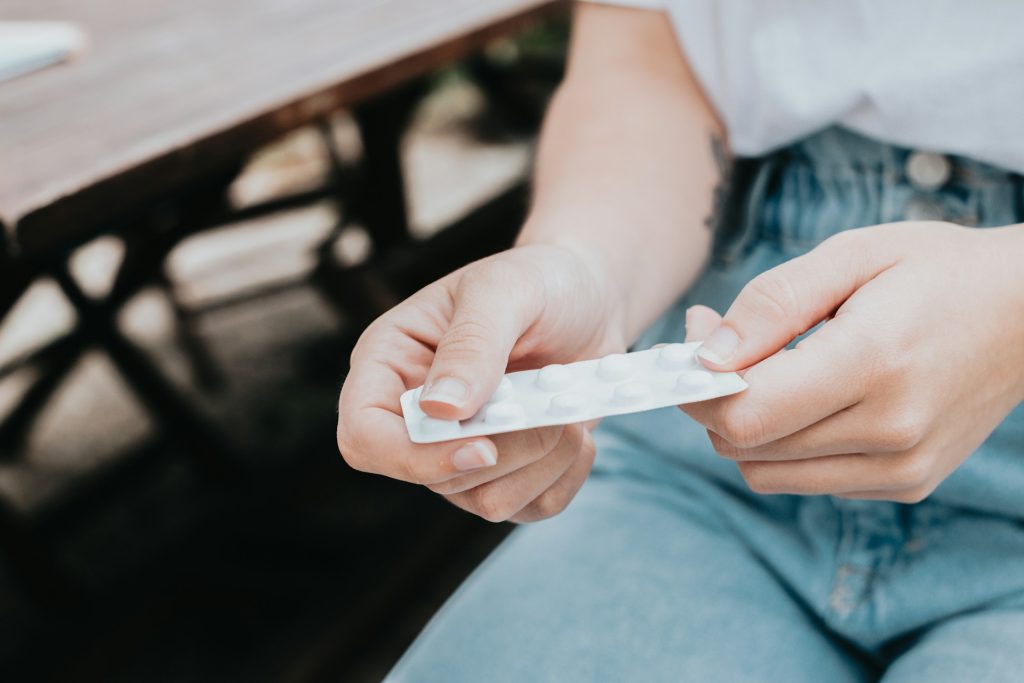
Dealing with anxiety is something many people face. Sometimes, to ease the feelings that come with it, individuals might try to handle it on their own by using things like alcohol or other substances. This is what we call self-medicating. It might seem like a quick fix, giving temporary relief from stress or worry. However, there’s a hidden side to this approach that often gets overlooked. The risks linked with self-medicating can lead to more significant concerns, making it important to understand why this is not the best path.
Self-medicating doesn’t just put a band-aid on anxiety; it can also lead to a cycle that makes things worse. Understanding these hidden dangers is key. Recognizing the risks associated with self-medicating can open doors to healthier ways of handling anxiety. It’s about finding better solutions and creating a support system that encourages lasting change.
Understanding Self-Medication
Self-medication is when someone uses substances, without medical advice, to try to manage anxiety or other problems they face. People choose this route for various reasons, like wanting immediate relief or avoiding the stigma attached to mental health issues. It might start simple, with a drink to calm nerves or a pill to ease stress, but it can quickly snowball into a habit that’s hard to break.
Common substances used for self-medicating anxiety include alcohol, which is easily accessible and commonly known for its calming effects, and prescription drugs, sometimes obtained legally or otherwise. While these substances might seem to help at first, the relief is often temporary. Over time, the consequences of regular use can turn out to be far more severe than the initial anxiety.
The key is understanding the balance between temporary relief and long-term issues. Though self-medication might help someone feel better for a moment, it often leads to problems like addiction, health issues, and worsened anxiety. Knowing this helps in looking for better solutions and understanding why it’s crucial to seek healthier coping mechanisms.
The Connection Between Anxiety and Substance Abuse
Anxiety and substance abuse are often linked, creating a difficult cycle to break. When anxiety leads to substance use, it’s not just about finding relief; it becomes part of a larger pattern. This cycle starts when someone uses substances to curb their anxiety, thinking it’s a harmless way to feel better. But, over time, the very substances that seem to help end up making anxiety worse, creating a loop that feeds into itself.
This cycle of dependency doesn’t just affect the mind; it can take a toll on physical health too. Persistent use of substances to handle anxiety often leads to physical symptoms that can aggravate the situation more. This might include changes in behavior or even developing a dependency that feels impossible to overcome.
It’s important to recognize when the need for relief turns into dependency. Breaking this cycle requires understanding the connection between anxiety and substance use and the impact it has on overall well-being. By acknowledging this, people can start to find healthier paths and open up to the idea of proper support and treatment.
Recognizing the Signs of Self-Medication
Identifying when someone is self-medicating their anxiety is a vital first step. There are several signs that might indicate this behavior. Mood swings, for instance, can show up more frequently, especially when the effects of substances wear off. Sudden changes in behavior, like neglecting responsibilities or withdrawing from social circles, can also hint at deeper issues at play.
Physical symptoms can be telling too. Changes in sleeping or eating habits might become noticeable. For example, someone might start losing weight unexpectedly or show signs of fatigue due to poor sleep patterns. In terms of emotional shifts, watch for heightened irritability or pronounced mood changes.
If you notice these patterns in yourself or someone else, it’s a signal that professional help might be needed. Early intervention can make a significant difference, opening up roads to healthier ways of dealing with anxiety and preventing further mental health or substance issues.
Safe and Effective Alternatives to Self-Medication
Finding healthy alternatives can steer individuals away from the trap of self-medication. Several options can help manage anxiety effectively:
1. Therapy Sessions: Engaging with a therapist can provide valuable tools and perspectives on dealing with anxiety. It offers a space to discuss feelings and learn coping strategies.
2. Support Groups: These groups create a community where individuals can share experiences and offer mutual support.
3. Mindfulness Practices: Techniques like meditation and yoga can reduce stress and improve mental clarity, helping to manage anxiety naturally.
4. Exercise: Regular physical activity has been shown to decrease anxiety levels, boosting mood and energy.
Considering the benefits of these alternatives, they offer a clear path to handling anxiety without turning to harmful substances.
Finding Support and Embracing Recovery
Support systems can play an essential role in overcoming self-medication. Recovery programs, tailored for these challenges, offer structured support and guidance. They help individuals understand the root causes of their anxiety and teach effective coping mechanisms to prevent relapse.
Breaking the cycle of self-medication involves taking that first step towards change. Enrolling in a recovery program can be a profound and life-changing decision. It encourages personal growth and a healthier mindset toward anxiety management.
Looking Forward to a Healthier Future
Wrapping up, it’s clear that understanding the intricacies of self-medication allows individuals to make informed choices about dealing with anxiety. Recognizing the signs and acting upon them paves the way for positive transformation. By choosing healthier paths and engaging with support systems, the burden of anxiety becomes more manageable.
Moving forward, remember that change is always within reach. By embracing supportive environments and healthy practices, individuals can look forward to a brighter, anxiety-free future. Taking control of one’s mental well-being opens up endless possibilities and fosters a fulfilling life journey.
Taking the first step toward a healthier life can start today. If you or someone you care about is struggling with anxiety and turning to unhealthy coping methods, professional help can offer a better way forward. Honeycomb Wellness Center provides compassionate care through a variety of programs designed to promote lasting recovery. Learn more about how we can support your journey by exploring our approach to drug and alcohol abuse.