
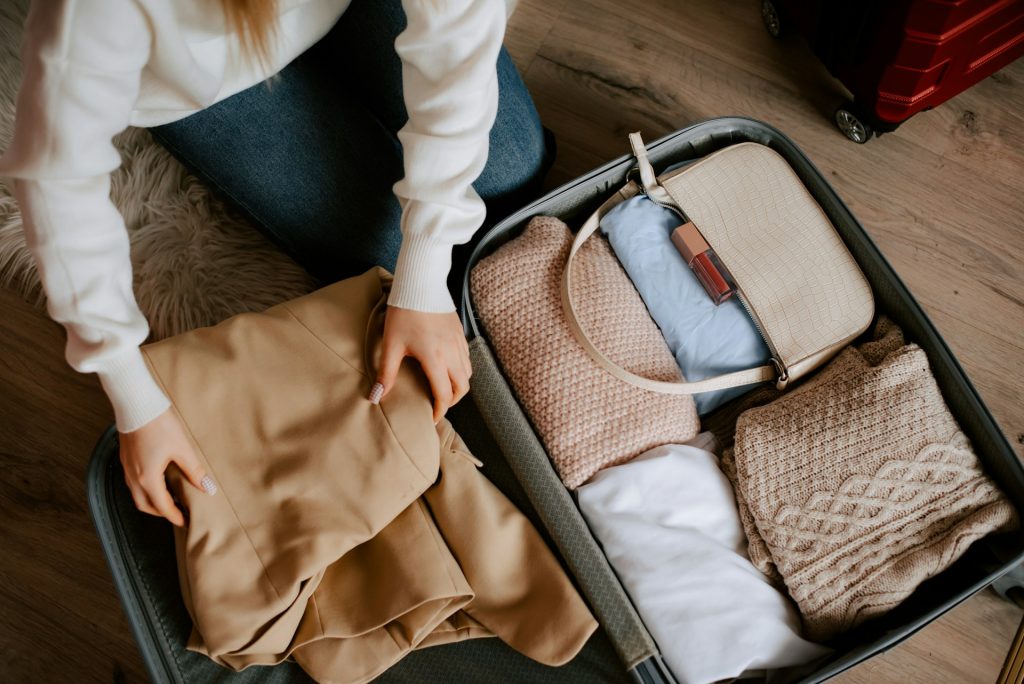
Stepping into a women’s recovery center can feel overwhelming. The thought of leaving familiar things behind and starting fresh somewhere new can stir up a lot of emotions. For many women, one of the first questions that comes to mind is what do I even pack? It’s a practical detail that’s easy to overlook when your mind is focused on healing and making a big life change. But bringing the right things with you can make a big difference in settling in faster and feeling more at ease.
Having a clear idea of what to bring helps cut down on stress during an already emotional transition. It lets you get comfortable more quickly and focus on what really matters—your recovery. From clothes and hygiene products to simple creature comforts from home, each item should have a purpose. Let’s break it down so you can feel confident and prepared before your arrival.
Understanding The Basics
Most drug rehab facilities have specific guidelines when it comes to packing. Some items are completely welcome, others are restricted, and a few are not allowed at all. These rules are usually there to protect all residents and keep the environment safe and supportive.
When you arrive, expect to go through a quick check-in process. Staff will likely search your bags to make sure everything follows facility rules. It might feel strange or uncomfortable, but this step helps everyone in the program start off on the same page. Knowing ahead of time what’s allowed and what’s not saves you the hassle of bringing things you’ll have to send back.
Here’s what you can usually expect to be restricted or prohibited:
– Items with alcohol or strong fragrances like certain mouthwashes or perfumes
– Sharp objects such as razors or scissors
– Over-the-counter medications, unless specifically approved
– Electronics with internet access, depending on center rules
It’s also a good idea to double-check ahead of time whether the center provides basics like towels, bedding, and laundry supplies. Some places include those items. Others may ask you to bring your own. Knowing what the facility provides will help you avoid overpacking.
Clothing Essentials
Comfort is key. You’ll want to pack clothes that let you move easily and help you feel relaxed. Treatment schedules often include therapy sessions, group activities, light fitness or walks outside, and casual downtime. You don’t need anything fancy, but you do need clothes that fit the moment.
Plan for about a week’s worth of outfits if laundry is done weekly. Keep in mind fall weather since this article is aimed for mid-October and temperatures may vary, so packing layers helps. Light jackets, hoodies, or cardigans are great for adjusting to cooler mornings and evenings.
Here’s a general checklist of clothing to pack:
– T-shirts and long-sleeve shirts
– Comfortable pants like sweatpants, leggings, or jeans
– A couple of sweaters or sweatshirts
– Undergarments and socks for at least a week
– Slip-on shoes or sneakers for daily activities
– Pajamas or sleepwear
– A robe or comfy loungewear
– Weather-appropriate outerwear like a light coat or rain jacket if needed
Make sure everything you bring is modest and appropriate for a shared living space. Many centers have dress codes that skip items like crop tops, low-cut shirts, or short shorts. It’s worth calling ahead if you’re unsure about something.
Packing smart helps you feel a little closer to your normal self while starting this new chapter. One example a lot of women mention is how good it feels to wear their favorite hoodie in a new space. It’s small, but grounding. Little touches like that help make a new place feel more personal.
Personal Hygiene Items
Keeping up with daily hygiene can boost your mood during recovery and help you feel more like yourself, even in a new environment. When deciding what to bring, stick with simple toiletries. Just make sure they meet your center’s policies. Most places only allow alcohol-free and non-aerosol versions of things like body sprays, so check product labels before packing.
You’ll likely use shared bathrooms, so avoid bringing anything bulky or expensive. A small shower caddy, travel-size containers, and a few familiar products from home can make a big difference in your routine without taking up too much space. Clear containers are often preferred and sometimes required since they allow staff to quickly see what’s inside.
Here’s a basic list of approved items to include:
– Alcohol-free toothpaste and mouthwash
– Toothbrush and floss
– Alcohol-free deodorant, either stick or roll-on
– Shampoo and conditioner in plastic bottles
– Body wash or soap
– Face wash and lotion
– Hairbrush or comb
– Hair ties or bonnets
– Unscented feminine hygiene products
– Nail clippers and tweezers if permitted
Avoid packing anything with strong scents, as some centers limit fragrances out of respect for people with sensitivities or allergies. Skip razors unless the facility says otherwise. They’re often provided on a case-by-case basis. Double-check aerosol rules, too. Many centers ban them, including dry shampoo and hairspray. If you’re unsure, a quick phone call can save you from wasting bag space.
Comfort And Personal Items
Packing a few personal comfort items can help ease the transition and keep your spirits up on hard days. These little things give you something familiar to hold onto when everything around you feels different. A soft blanket, comfy slippers, or photos from home can turn a plain space into one that feels more your own.
Some women like to bring a journal for quiet reflection or a book to wind down during free time. Simple creativity tools like coloring books or yarn for crocheting may also be allowed, depending on the rules. One woman shared how having her favorite novel with her helped her fall asleep during those first few nights. It gave her a familiar rhythm when nothing else felt normal.
Here are a few thoughtful items to consider:
– A favorite pillowcase or small throw blanket
– Printed photos of loved ones
– A personal journal and pens
– A book or two, paperbacks are usually preferred
– Art materials like colored pencils or sketch pads
– Letter-writing supplies with envelopes and stamps
– A watch or small alarm clock that doesn’t require internet access
Keep valuables at home. Avoid bringing anything with sentimental or monetary value that would be hard to replace. Items that promote relaxation and mindfulness can often give more value than electronics or distractions.
Medications And Special Needs
If you take prescriptions, these will need to be handled carefully. Medication policies vary by center, but most require that all prescriptions come in original packaging with proper labels. You might also need a doctor’s note or documentation that explains your dosage and purpose. Expect staff to manage and distribute medications on a set schedule.
Women with allergies or dietary concerns should also let the admissions team know ahead of time. Facilities often accommodate special diets, but only with prior communication. If you use medical equipment like a CPAP machine or take insulin, discuss this during intake. That way, staff can prepare and make sure your needs are met safely.
Some additional tips for this category:
– Label all medical items clearly
– Bring a backup set of eyeglasses or contact lenses
– Include a list of all current medications and dosages
– Mention any known allergies to staff at check-in
Taking care of these details before you go makes your first few days smoother, with less back and forth. This is one area where preparation pays off.
Start This Next Step With Confidence
Packing for rehab isn’t just about filling a suitcase. It means choosing comfort, simplicity, and self-care as you get ready for real change. The right items can ground you and provide small islands of normalcy during moments of uncertainty. Knowing what to expect takes some pressure off and offers a sense of control even before you’ve stepped through the door.
Every woman walks into treatment with a different story, but starting off prepared sets a calm, confident tone. With supportive clothes, clean hygiene items, comforting stuff from home, and your medical needs ready to go, you’re already doing something positive for yourself. It’s okay to feel nervous, and packing smart won’t erase those feelings, but it helps make sure the focus stays where it belongs—on your healing.
Preparing for your stay can ease your transition and help focus on your recovery journey. To learn more about the services available at a drug rehab facility that prioritizes compassionate, women-centered care, explore how Honeycomb Wellness Center can support you every step of the way.