
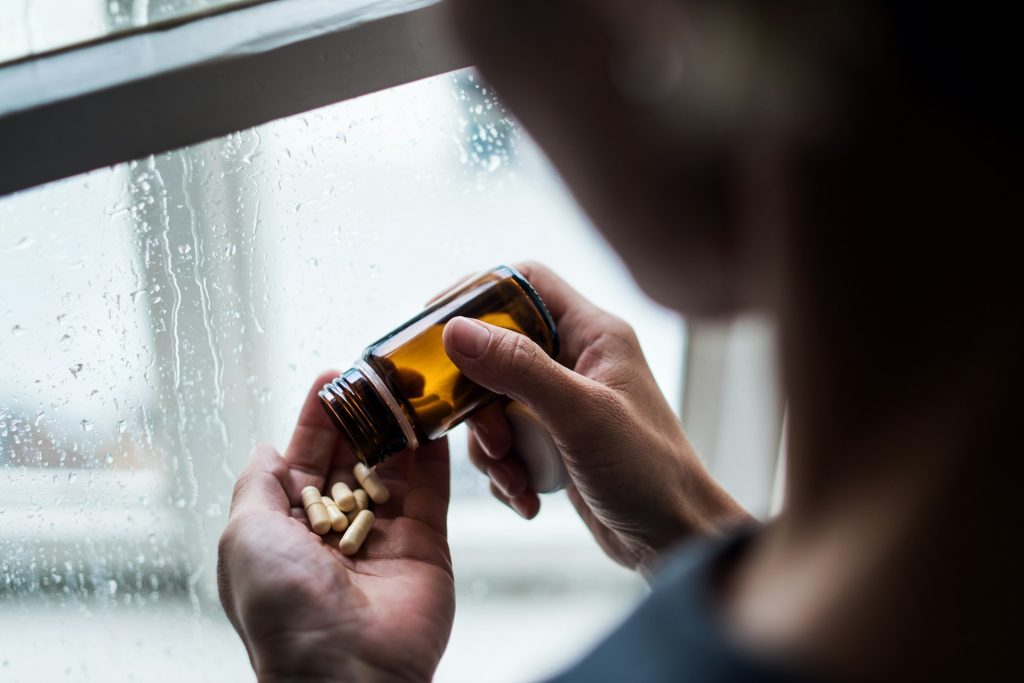
Prescription medications have become a cornerstone for managing various health conditions, from chronic pain to anxiety. While they can be lifesavers for many, there’s a growing risk associated with their use: addiction. It’s important to understand how these medications, intended for healing, can sometimes lead down a path towards dependency. By shedding light on this topic, we hope to bring awareness to the issue and offer guidance to those who might be struggling or know someone who is.
Imagine taking a medication prescribed by your doctor, expecting relief. Over time, though, you might start needing a higher dose to feel the same effects, or you begin taking it even when it’s not needed. What started as a legitimate medical need can quietly shift into something more dangerous. Understanding how this happens is a critical step in preventing and addressing addiction.
How Addiction to Prescription Medications Begins
Prescription medications, by design, have powerful effects on the body. They can alter brain chemistry, providing relief from symptoms like pain or anxiety. However, this same power can also make them addictive. It’s not always obvious when this shift from use to misuse occurs, but several factors can contribute.
1. Prolonged Usage: When medications are used over extended periods, the body can develop a tolerance. This means you might need more of the medication to achieve the same effect, which increases the risk of addiction.
2. Increasing Dosages: Taking higher doses than prescribed to achieve desired effects can lead to dependency.
3. Pain Management: Medications for chronic pain often contain substances that are habit-forming. Patients managing unrelenting discomfort may increase their dosage or frequency without consulting their doctor, raising their chances of addiction.
4. Escalation Without Intent: Sometimes, individuals might start with a prescription for a specific condition but continue taking the medication out of habit or for emotional relief, regardless of whether the initial problem persists.
Prescription medications like opioids, benzodiazepines, and stimulants are particularly prone to abuse. These drugs can create a sense of euphoria that the body and mind begin to crave, leading to unhealthy patterns of use.
Recognizing the potential for addiction in prescription medications is vital for anyone who takes them or knows someone who does. It’s about knowing the line between medical use and misuse and being vigilant about staying on the right side of that line. Understanding these dynamics can help in making informed decisions about one’s health and well-being.
Signs of Prescription Medication Addiction
Recognizing when someone might have a dependency on prescription medications can be tricky, but knowing the signs could help you identify a potential problem. Changes in behavior often come first. You might notice someone becoming more withdrawn or secretive. They might start neglecting responsibilities at work, school, or home. These shifts can seem small but add up over time, painting a picture of someone trying to avoid confrontation about their medication use.
Physical symptoms can give more clues. Look for weight changes, disturbances in sleep, or unusual levels of energy or lethargy. Irritability or mood swings are also common. If someone is selling possessions or borrowing money without clear reasons, this can be a red flag, hinting that funds are going towards more medication.
Certain medications are more prone to causing addiction. Opioids are well-known for their addiction potential, especially when prescribed for pain management. Benzodiazepines, often used for anxiety or insomnia, can lead to dependency if not carefully monitored. Stimulants, prescribed for attention disorders, can be misused in pursuit of enhanced focus or energy. Recognizing the medications involved helps in understanding the risks and being prepared to address them.
The Consequences of Addiction
Prescription medication addiction can have a profound impact on both the individual and their loved ones. Long-term health issues are one concern. Regular misuse of these drugs can lead to physical problems, such as liver damage, heart issues, or mental health disorders. As the body becomes dependent, weaning off becomes harder, making recovery a tougher road.
Beyond physical health, addiction affects social and economic aspects of life. Relationships often suffer, as trust erodes and responsibilities are neglected. A person might isolate themselves, straining personal and professional connections. Financial strains arise as money is diverted to maintain the addiction.
Consider a story of a family navigating through these challenges. A young professional began taking painkillers after surgery. What started as relief spiraled into dependency. It led to missed workdays, strained relationships, and significant debt. This story, like many others, illustrates the wide-reaching effects of prescription medication addiction, reminding us why vigilance and understanding are necessary.
Steps to Take if You Suspect an Addiction
If you think someone might be battling addiction to prescription medications, taking swift action can make all the difference. The first step is often having an open and honest conversation. Approach with care, avoiding blame, and focus on sharing your observations and concerns.
Seeking professional help is crucial. There are numerous treatment options available, from Drug Abuse Programs to counseling services. These resources offer support tailored to the individual’s needs, addressing both the physical and psychological components of addiction. Encouraging someone to seek help is a significant step, but providing ongoing support is just as crucial.
Finally, educate yourself and others. Learning about the nature of addiction, therapy options, and recovery strategies can empower you to better support those affected.
Overcoming Addiction and Recovery
Walking the path to recovery from prescription medication addiction is often a long, challenging journey, but countless individuals have successfully made it to the other side. Each success story offers hope and encouragement. Consider the tale of someone who, through determination and effort, reclaims their life. They move on to not just survive but thrive, embracing sobriety with renewed strength.
Aftercare and ongoing support play a huge role in sustaining recovery. Group therapy, regular check-ins with counselors, and supportive family environments help anchor those in recovery, offering stability and a sense of community. Remember, recovery doesn’t just mean quitting medications. It’s about building a healthier lifestyle, filled with positive choices and supportive relationships.
A Pathway to Healthier Living
Awareness of the risks associated with prescription medications and the signs of addiction is the first step in making informed health decisions. It’s essential to actively manage medications, stay vigilant, and seek help when necessary. Embracing these proactive steps can reduce risks and open the door to healthier living.
Seeking help from professionals, such as therapists or support groups, transforms lives. It’s all about taking that first step, reaching out, and finding the right path to recovery. Making those choices towards healing can lead to newfound freedoms and healthier habits, ultimately paving the way for a brighter future.
If you’re ready to take meaningful steps toward overcoming prescription medication addiction, explore the drug abuse program at Honeycomb Wellness Center. Our team is committed to providing compassionate support, guiding you every step of the way on your journey to recovery.