
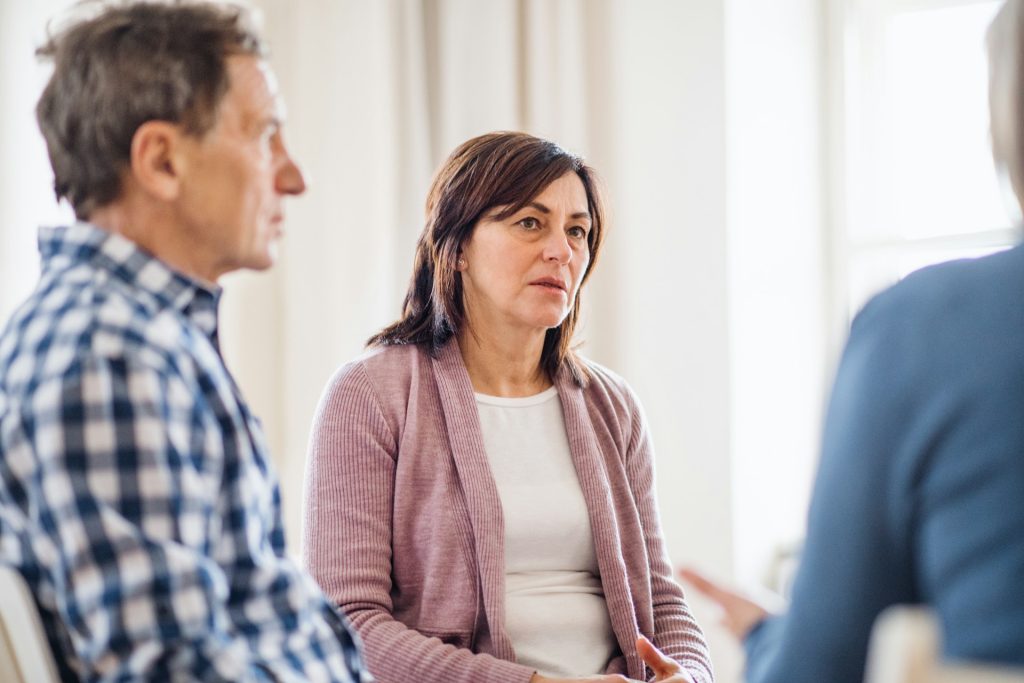
Outpatient care can offer women a flexible way to work through addiction and recovery while still managing parts of their everyday routine. Unlike inpatient programs, women in outpatient care don’t stay onsite. They go home afterward, whether that means returning to family responsibilities, work, or school. That flexibility can be helpful, but it also brings its own challenges when withdrawal symptoms hit hard.
Understanding what those withdrawal symptoms might feel like helps make it easier to get through them. Women entering outpatient programs might deal with both physical and emotional symptoms that show up early in treatment or even later on. Some days may feel harder than others, but knowing what to expect and how to handle it can make each step feel a bit less overwhelming.
Common Physical Withdrawal Symptoms
Withdrawal isn’t the same for everyone, but many women notice physical changes as substances start to leave the body. These shifts can look different depending on factors like the type of substance, overall health, and past history. Even though outpatient programs don’t keep women on-site overnight, they still offer structure and support during this stage.
Here are some common physical withdrawal symptoms women might face during outpatient care:
– Headaches can pop up suddenly and may feel dull or sharp.
– Fatigue is common, often leaving women tired even after a full night of sleep.
– Nausea or stomach discomfort can reduce appetite or make it hard to eat.
– Dizziness might happen when standing quickly or after days of low nutrition.
– Sweating or chills where the body goes hot and cold without cause.
Managing these symptoms often comes down to small daily choices. Regular hydration, light meals, and rest all support the healing process. A short walk or slow stretching session can offer relief without tiring the body. One woman shared how she kept a soft hoodie and herbal tea ready whenever she felt chills creeping in—it gave her comfort and a bit of control in those moments.
Above all, it’s important for women to recognize when their symptoms feel off. If something worsens or doesn’t go away, checking in with a healthcare provider can be the difference between getting stuck and moving forward.
Emotional And Psychological Withdrawal Symptoms
Physical symptoms are challenging, but emotional symptoms can make outpatient care feel even more complicated. Since women in outpatient treatment stay within their regular routines, emotions may hit harder without the protective bubble of a residential center.
Some emotional and psychological withdrawal symptoms include:
– Anxiety that arrives without warning
– A deep sense of sadness that doesn’t have a clear cause
– Trouble focusing or feeling constantly restless
– Irritability that seems out of character
– Feeling emotionally numb or disconnected from life
These shifts come from the brain adjusting to life without substances. Feelings that were once numbed may return suddenly. For women trying to parent, work, or maintain normalcy during outpatient treatment, these emotional hurdles can add another layer of stress.
There’s no perfect way to handle these feelings, but a few grounding habits can help. Talking to a therapist, writing in a journal, or just sitting quietly and breathing can bring some relief. Group therapy also gives women a place to express what they’re feeling without hesitation.
Support is key. A trusted friend who listens without judging or trying to fix anything can be a lifeline. Emotional withdrawal doesn’t mean someone isn’t trying hard enough—it’s a natural part of healing. Getting through it takes time and care.
The Importance Of Medical Supervision
Even with coping tools and a support network, withdrawal symptoms can still be hard to manage. That’s why outpatient programs include medical supervision. It’s not about watching every move—it’s about having trained people available to help when challenges arise.
Medical professionals help keep things balanced. They track symptoms, fine-tune medication as needed, and notice shifts that might go overlooked. What seems like simple tiredness or mild shaking could be a sign of something deeper, and their experience helps catch those cues early.
Regular check-ins aren’t just appointments—they’re touch points for safety and growth. These check-ins can cover everything from symptom tracking and medication side effects to mental health challenges that surface between visits.
One woman shared that she brushed off chest pain as anxiety, but her counselor encouraged her to talk to the medical team. That conversation led to a medication change, and the symptoms faded within days. Without regular support, that signal from her body might have gone ignored.
Medical oversight turns outpatient care into a shared experience. Instead of walking the process alone, women know there’s someone looking out for them—and that makes continuing the process easier.
Strategies For Managing Withdrawal At Home
Getting through withdrawal while keeping your day-to-day schedule means finding new ways to live within that shift. Home isn’t a treatment center, but it can still be a healing space with the right support and tools.
Try these strategies:
– Set a rhythm. Even a loose daily schedule that includes meals, rest, and movement can bring calm.
– Stay hydrated and eat regularly. This supports strength and reduces symptoms like dizziness or fatigue.
– Simplify your circle. Keep company with those who support your goals, and take space from those who don’t.
– Create calm surroundings. Use soft lighting, gentle music, or a clean environment to help reduce mental clutter.
– Allow structured rest. Don’t wait until you’re completely drained—build in pauses for relief throughout the day.
Consistency matters too. Sticking to appointments, group sessions, or journaling routines can ease mental fog and bring structure on disorganized days.
One woman shared her habit of checking in with herself every evening using a note app. It wasn’t fancy—just a line or two about how the day felt. Over time, she saw patterns in mood and symptoms that helped her better understand what she needed day to day.
There’s no one-size-fits-all answer, but these small moves can make days in outpatient care feel more manageable.
Finding Support And Staying Motivated
Support doesn’t always show up in big ways. It may mean a quick text from someone who’s been there, or a quiet ride home from a support group. Having sources of encouragement makes a difference—especially during outpatient treatment where daily life keeps going.
Family members, close friends, counselors, and group peers all have something to offer. Some women feel more grounded in group sessions, while others prefer one-on-one therapy. There’s no wrong way to get support—it’s about knowing what keeps you going, and asking for that when possible.
Motivation isn’t something you find once and keep forever. After the first few weeks of treatment, it’s common to feel the weight of everyday life again. Emotional and physical symptoms may linger or cycle back, making progress feel slower.
Revisit your reasons. Why did you choose this path? What brought you here in the first place?
When motivation dips, try this:
– Look back at small wins. Reaching out for help, preparing a meal, or making it through a tough day counts.
– Refresh your “why” list. Keep it visible and add to it over time.
– Tell someone you trust how you’re feeling. Saying it out loud can shift your mindset.
On days when you feel like quitting, connection has its biggest impact. Just hearing, “I understand that feeling,” can give enough strength for the next step.
Finding Strength Through Every Phase
Recovery through outpatient care takes effort, but it can be deeply rewarding. It gives women the chance to keep living their lives while building the skills to create something new. There will be both steady days and shaky ones—but each experience adds depth to the process.
Physical symptoms like nausea or fatigue may test your stamina. Emotional lows may push your patience. But with tools like routine, support, rest, and guidance from trained professionals, these moments can become stepping stones rather than roadblocks.
Outpatient care invites you to fully participate in your healing while still engaging with the people and responsibilities in your life. It means waking up some days unsure how you’ll manage—but showing up anyway. That’s strength, even when it doesn’t feel like it.
You don’t have to navigate withdrawal or recovery on your own. The process becomes clearer and more hopeful when shared with those who understand and care. When that connection is in place, every next step feels a little more possible.
Navigating the challenges of withdrawal requires strength, support, and the right resources. At Honeycomb Wellness Center, our substance abuse rehab programs for women are designed to provide compassionate care tailored to your unique journey. With us, you’ll find the guidance and support you need to manage withdrawal symptoms while maintaining your everyday life. Start your path to healing with a community that understands and supports your growth.